Nobita Script: A Stylish Font for Creative Projects
There I was, staring at a blank brand board, trying to figure out how to make a new café identity feel fresh and inviting. The client wanted something that felt approachable but still had a touch of sophistication. That’s when I reached for Nobita Script.
A Neat and Professional Script Font
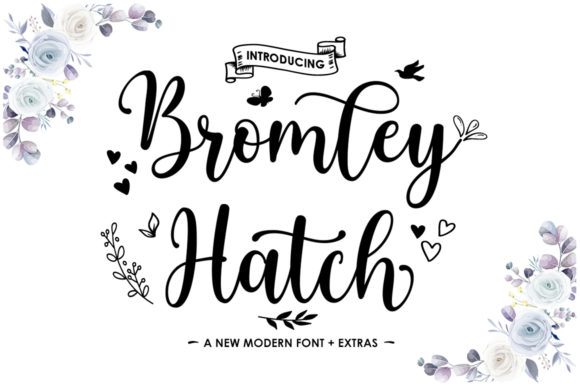
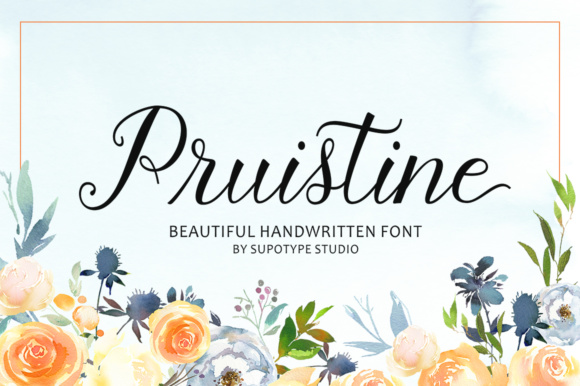
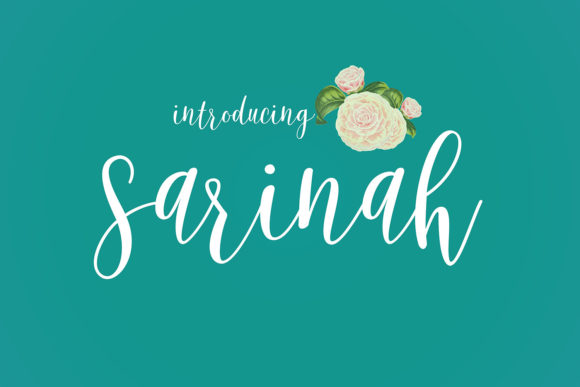
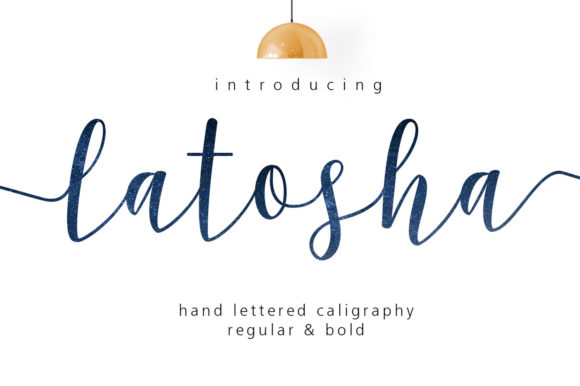
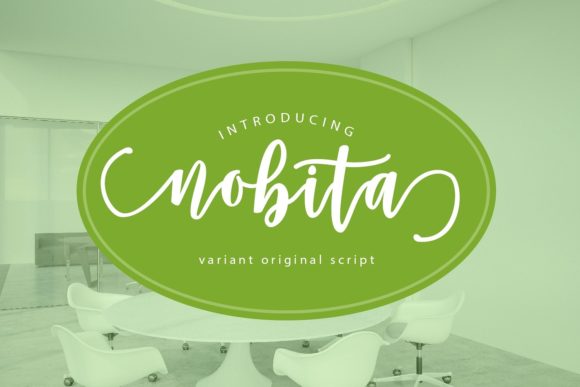
Nobita Script is a script font that balances elegance with practicality. Its clean lines and gentle curves give it a modern yet warm feel. It’s not overly ornate, which makes it versatile for a range of design projects. The font has a natural flow that feels handcrafted without being too fussy.
When I first tested it on a logo concept, I was struck by how well it translated into a professional look. The subtle swashes and ligatures add character without overwhelming the design. It’s the kind of font that can elevate a simple logo into something memorable.
Testing Nobita Script in Real-World Branding
I used Nobita Script in a few different branding assets for a local bakery project. On the packaging mockup, it added a soft, artisanal feel that complemented the product’s handmade nature. The font worked well on both the front label and the back information panel, maintaining readability even at smaller sizes.
On a business card, the font looked elegant and easy to read. It paired nicely with a sans serif for the body text, creating a balanced contrast. In social media graphics, it stood out as a strong headline font, drawing attention without being distracting.
For a website header, Nobita Script gave the page a personal touch. It felt more engaging than a standard sans serif, adding a human element to the digital experience. The font also performed well in editorial design, where its fluidity helped guide the reader’s eye through the content.
Strengths and Limitations
Nobita Script shines as a display or headline font. Its personality makes it ideal for logos, headlines, and short phrases. It’s not meant for long blocks of text, though. At smaller sizes or in dense paragraphs, it can become hard to read. This means it’s best suited for projects where it’s used sparingly and intentionally.
It also works well as an accent font. Pairing it with a serif or sans serif typeface can create a nice contrast that adds visual interest without compromising clarity. For example, using it alongside a classic serif like Georgia or a clean sans like Helvetica can give a design both warmth and structure.
One thing to note is that while Nobita Script is trendy, it doesn’t feel overly flashy. It has a timeless quality that makes it suitable for a variety of industries, from food and fashion to lifestyle and wellness brands.
Practical Tips for Using Nobita Script
If you’re considering using Nobita Script in your work, test it in different contexts before finalizing any designs. Try it on a shop sign, product mockup, or printed card to see how it holds up in real-world scenarios. Pay attention to how it looks in both digital and print formats.
Also, check the font’s licensing terms. Make sure it’s appropriate for commercial use, especially if you’re working on a client project. Many fonts have restrictions on resale or modification, so it’s important to understand what you’re allowed to do with the file.
When pairing Nobita Script with other fonts, aim for balance. A bold sans serif can provide a strong counterpoint, while a delicate serif can add refinement. Avoid overcomplicating the design—let the font speak for itself without competing with other elements.
Final Thoughts on Nobita Script
Nobita Script is a great addition to any designer’s toolkit. Its combination of style and functionality makes it ideal for creative projects that need a touch of personality. Whether you’re working on a logo, packaging, or social media graphic, this font can help you create something that stands out.
It’s not a one-size-fits-all solution, but when used correctly, it can add a unique flair to your designs. If you’re looking for a premium font that’s both trendy and professional, Nobita Script is definitely worth exploring.