Thin Hand-lettering Script Font
As a small business owner, I know how much a well-chosen font can transform the look and feel of your brand. Recently, I was tasked with updating the packaging for a local bakery’s custom cookie boxes. The goal was to make the design feel more refined while keeping that warm, personal touch that customers love. That’s when I discovered Thin Hand-lettering Script, a delicate and expressive typeface that quickly became my go-to for creating a polished yet approachable brand identity.
What Makes Thin Hand-lettering Script Unique
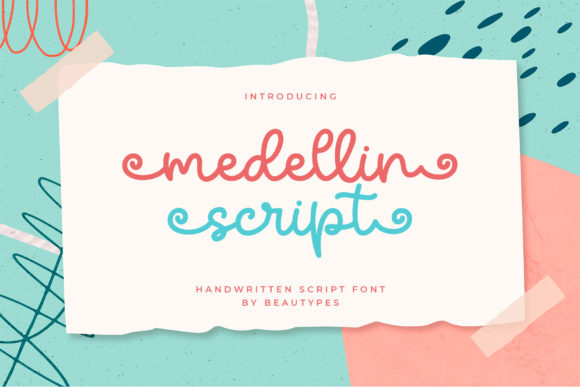
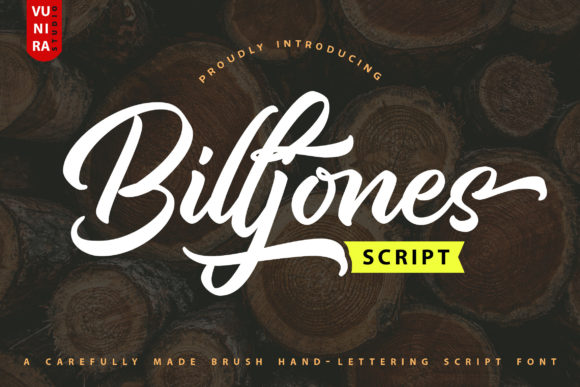
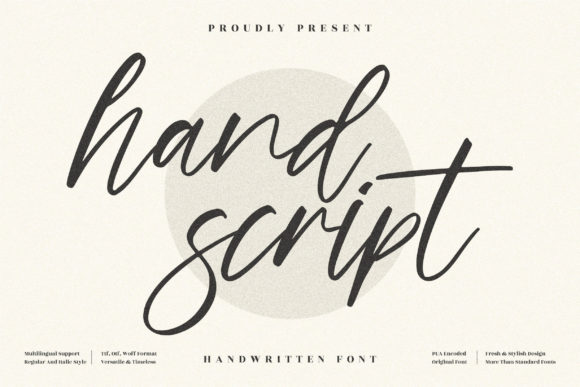
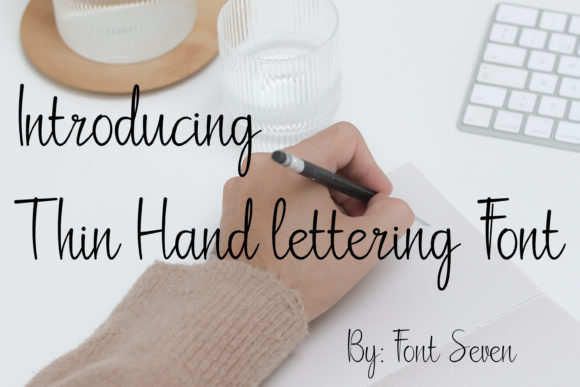
Thin Hand-lettering Script is a handwritten font that balances elegance with simplicity. Its thin strokes and fluid curves give it a dainty, almost whimsical feel, but it doesn’t sacrifice clarity or professionalism. This font is perfect for businesses looking to convey a sense of joy and creativity without appearing too informal. It has a soft, friendly personality that works well in both digital and print formats.
One of the standout features of this font is its versatility. It’s not just for headlines or logos—it can be used effectively for short phrases, product titles, and even body text when paired correctly. Its subtle details make it ideal for branding materials that need to feel authentic and personal, like wedding invitations, thank-you cards, or social media graphics.
Real-World Applications for Small Businesses
I tested Thin Hand-lettering Script on several real-world projects, and it consistently delivered a fresh, cohesive look. For a candle seller looking to redesign their labels, the font added a touch of sophistication without overpowering the product. On a café’s menu, it brought a sense of warmth and consistency that matched the overall aesthetic of the space.
Another project involved updating an online shop banner for a handmade jewelry brand. Using Thin Hand-lettering Script for the main headline made the design feel more dynamic and eye-catching. It worked especially well alongside a clean sans serif font for the supporting text, creating a balanced visual hierarchy that guided the viewer’s attention naturally.
When to Use Thin Hand-lettering Script
This font shines best as a display or headline font. It’s not designed for long paragraphs, but it excels when used for short phrases, logos, or decorative accents. For example, a boutique could use it on product tags to add a personalized touch, or a beauty brand could incorporate it into skincare label designs to emphasize natural, handcrafted qualities.
It also works well in social media graphics, where bold, readable text is essential. When used on Instagram thumbnails or Facebook ads, Thin Hand-lettering Script can help capture attention while maintaining a professional appearance. Just be sure to test it at different sizes and on various backgrounds to ensure legibility.
Pairing Tips for Better Brand Consistency
Typography is all about balance. While Thin Hand-lettering Script is a strong standalone font, pairing it with other fonts can enhance its impact. A simple, modern sans serif like Helvetica or Montserrat can provide contrast and structure, making the script font stand out without overwhelming the design.
For a more elegant look, consider pairing it with a classic serif font such as Georgia or Playfair Display. This combination adds depth and sophistication, which is great for luxury brands or creative studios. If you're going for a more casual, artisanal vibe, a handwritten font or a rustic script can complement Thin Hand-lettering Script beautifully.
Considerations for Business Use
Before using Thin Hand-lettering Script on any business materials, it’s important to check what styles, file formats, and licensing options are included. Most premium fonts come with multiple weights, ligatures, and alternate characters that can be useful for customizing your design. Make sure the font supports the languages you need, especially if you’re targeting international markets.
Also, think about how the font will appear in different contexts—on printed packaging, mobile screens, or digital ads. Testing it in real-life scenarios helps ensure it maintains its charm and readability across all platforms. For small businesses, consistency in typography is key to building a recognizable and trustworthy brand presence.